Monday, 15 July 2019

随笔 - 了解自己


每次去治疗时总会有一点 uncomfortable,因为治疗师一定会问我一些我没办法马上回答的问题。

就比方说“How are things going?”。

*

其实类似的问候在西方社会是很常见的。第一次到美国的时候走在街上,有个人刚从屋里走出来,一见我们就劈头问了一句“How are you?”,吓得我们几个小瓜花容失色。后来教授向我们解释说这是他们的文化,算是一种礼貌性反射,对方其实不怎么在意你到底回答了什么。

夫子所言甚是——那人一说完就转身往另一个方向走了。

后来我学会了,就也反射性地回答“I'm good. How about you?”。第二句很重要,因为你不讲的话对方就没办法自问自答告诉你他过得如何,然后被晾在那里一脸尴尬。

Anyway,在本人的情况下我并不能随便回答,因为治疗师不是问爽的:他必须根据我的情况对症下药。

但我真不知道要回答些什么。

人到了一个年纪,日子就会开始auto-pilot:每天早上醒来,你都很清楚自己该做什么事。像台洗衣机一样,一开电就开始倒数16个小时,什么时候要灌水,什么时候得打干,然后等到熄灯才可以把肚子里的东西清空出来。

你不知道的,是自己其实是什么,还有为什么要做这些事。

也不能说是忙。我始终认为,只要你有时间吃饭、有时间睡觉、上厕所、还可以看看脸书YouTube,都不能算是忙。忙应该是被榨干到一滴不剩的。

我们通常只是时间很满。因为工作而满、因为家事而满、因为别人而满、因为自己而满。满得都找不到缝隙去想为什么会这么满,没时间给自己思考,去感受自己到底过得怎么样。

我最近究竟做了些什么?身体有没有不舒服的地方?如果有那是为什么,如果没有那又是如何改善的?现在感受的这个情绪是基于什么原因?

好像有点可笑——明明是和自己最贴近的东西,却要十分留心才能真正洞悉一二。

那天友人告诉我说他卸下工作后而为了放松心情看些影片,却不小心在电脑前睡着了。

“哎我也试过这样。”我笑。

明明是要用来解压的,结果却搞得自己越来越累,最后甚至比上班还辛苦,到底是干什么呢。

这时你可以问问自己,到底是不是真的很想看这部影片、还是是因为你辛苦工作了一整天,只是不甘心生活连一点属于自己的时间都没有、抑或这个行为已经在不知不觉中变成了一种习惯,让你忘了自己其实是有得选的。

如果你只是想放松,那可不可以找一个比较没那么伤神的活动、或者先去洗个澡,以让自己更有精神来享受这个“自己”的时光呢?

当你静下心来仔细想,就会发现原来你并不怎么了解自己、原来很多事情并不如你认为的那样、原来很多时候我们都好像身不由己。

最重要的是,发现那个让我们没有了自我的,原来是自己。


Sunday, 9 June 2019

Book Review - Finish (Jon Acuff)


"Starting is fun, but the future belongs to the finishers."

TLDR: the biggest enemy in finishing goals is perfectionism.

*

According to studies, 92% of New Year's Resolutions fail. People always put more emphasis on the starting, on how much planning you should have, the effort required etc. Jon Acuff disagrees.

Starting is easy. You can always start dieting, start quitting cigarettes, start learning a new language every once in a while.

To finish what you have started is the hard part.

Like its name suggests, "Finish" is a book talking about finishing goals. I think this book is quite harsh to losers like us. As you flip through the pages, you will see yourself amid the examples, who have repeatedly failed themselves in completing goals and promises.

The author provides the reasons why people do not finish their goals, as well as some tips on how to overcome them. Although the writing is weaker near the end, I think it is still a good read nonetheless.

Image result for finish jon acuff

According to Acuff, our worst adversary is perfectionism. You will see this throughout the book.

As we start our goals, the first thing it whispers to us is "quit if it is not perfect". This often plays into our mind because we always expect straight A's in our goals. Once we have broken the streak in healthy eating, we feel that eating junk for the next day doesn't create much harm too.

We all know that things are never perfect, yet we still set up unachievable standards for ourselves. That's why the day after perfect is what separates finisher from starters; finishers embrace imperfections because they know that something imperfect will not kill them.

*

Have you ever set a goal or a to-do-list too big you realized that you couldn't complete them? Scientists call this "planning fallacy", where people underestimate the time and effort required for a task.

The author suggests that, after planning your goals, either cut the target into half or double the time you take to complete it. Of course perfectionism does not allow that. But studies have shown that people who take "shortcuts" have increased performance and are motivated by their "reduced" success.

*

Time is limited. So, to get things done we have to manage our time properly. We can listen to audio books while doing workout, studying finance while waiting for bus, preparing slides while having lunch. If we slice our time nicely, we can get them all done.

Wrong.

That's another lie from perfectionism: you can have it all.

The only way you can be good at things is to invest your time and effort. To give them to some goal you must take them away from others; to be good at something you must suck at others. You can't get all off them done. Hence you have to choose which you want to succeed at, otherwise you will fail them all.

*

I always despise using rewards or punishments to propel yourself towards a goal; you shouldn't use external factors to motivate yourself because the rewards should come from the goal itself.

Jon Acuff said that it is perfectionism talking. Perfectionism believes success must be full of hardship and fun holds no value.

Internal motivation is good. But to keep yourself awake till the finishing line you need external motivation. The author suggests two:
1. Reward motivation
2. Fear motivation.

As you choose either of them, perfectionism tells you that you need neither: winners don't need motivation. They just get things done. That's the moment you know that you are on the right path. Perfectionism only gets loud when people start moving.

Related image

I thought I can stop here but I realised I haven't talked about the most important things yet: hiding places and noble obstacles.

Hiding places first. They come in two forms. The first is the unproductive ones, like watching YouTube and drinking with friends.

The "productive" ones are hard to detect. Have you ever found yourself checking emails, cleaning your room or proofreading assignments that you have competed long ago before starting your work?

"I wanted to do abs but look at the floor! I can't sit there before I have cleaned it first right?"

Meanwhile noble obstacles come with two words: "until" or "if-then".

Until I buy myself a pair of decent sports shoes I won't start working out. Until I have a good plot for my story I won't write the book. If I start eating healthy I will be poor real soon. If I establish my own business I will become so busy that I lose my time with my loved ones.

Hiding places and noble obstacles are, still, perfectionism in disguise; it tells you that you should do everything perfectly, otherwise might as well not doing them at all. Perfectionism always makes things hard and complicated; finishers make things simpler.

Goals are simple but not easy. It's time to leave your hiding places and abandon the noble obstacles. Because goals you refuse to chase don't disappear.

They become ghosts that haunt you for the rest of your life.

Monday, 6 May 2019

随笔 - 比较痛苦


那天因为工作需要,机构安排我们到医院和中风病患对谈,以让我们更了解他们日常所面对的困难和需求。

*

我们一行人走进物理治疗部的一个房间,里头已经摆放好围成一圈的椅子,其中一边坐着两位治疗师和三个病患。

第一位是个退休年龄的安娣,为了敬老就叫她Madam吧。Madam在中国旅游的时候赶路,突然双脚无力整个人跌坐在地上。

“我回过神来他们就把我的包包、钱和证件都抢走了。后来我需要搭专机回来,那里花了七万多,回到新加坡送院治疗,又用了三万。”

听到Madam短短的叙述里尽是损失了多少钱,就知道这也是穷人的悲歌。唉不说了。

第二位病患M三十来岁,情况更加令人惊悚:他去年某天起床后突然眼前一黑倒在床边,昏迷了一个星期多,醒来后左半身就瘫痪了。

最后一位叫C,发病情况和M一样。C才二十出头。

一轮自我介绍后,病患们开始讲述他们生活所面对的难题,治疗师则不时打岔,解释他们会做什么形式的复健以及同病患示范他们身体运动的能力极限。

在整个访谈中,Madam不时蹦出几句“我以前这手干活可快了,大家都说我办事效率高”、“我现在没有一刻是闲着的——看电视、睡觉、甚至在这里和你们对话,我都时时刻刻在活动我的筋骨”、“我也不是那种不爱运动的人——我以前常常和我孩子去跑步”等等。

“可是现在什么都做不了,真的很难过,很难过。”她说这句话时是笑着的,眼角的鱼尾纹都显露了出来。

在旁的医师也附和说:“我们都看见你很努力在做治疗,你看你不也康复得很快么?之前你手都抬不起来呢。”不知是不是因为很有毅力做复健,Madam的复原状况确实是三人之中最好的。

老实说本人对于别人倾诉他们的挫折和不幸这件事还真有些苦手(日语,大概可以翻译成因为不擅长或面对起来不舒服而不喜欢且尽量避开)。

这种时候应该说些什么呢?告诉他一切都会好起来吗?鼓励对方说你已经尽力了吗?斥责她“早知如此何必当初”“下次注意点”之类的说教吗?

感觉无论说什么,都对事情没有帮助呢:问题不会被解决,对方也不会因此少痛苦一点。

但什么都不做又觉得自己帮不上忙。

相较而言另两个病人则非常——应该用哪个词呢——沉着?平静?稳定?我不知道这是因为他们比较成熟、已经看开了、抑或只是隐藏得比较好。

环节在一个小时半后结束,大家互相跟大家道谢。

众人进行散场时常有的小组对话时,其中一名治疗师跟我们说C的境况:
“他还在XX大学念书,所以你可以想像一下……”

他没有告诉我们要想像什么,却似乎也不言而喻。

我突然在想:大学生那又怎么样呢?

因为还年轻,大把前途,所以遭遇不幸时我们要感到惋惜?难道一把年纪时面对同样的境遇就比较OK么?

Cheer up Madam,反正你也没剩多少年了——这两个小弟可是大半辈子都得这么过呢。”

在东方社会,多少都会听到“你看隔壁小明又拿一百分”之类的话,不仅令被比下去的人自卑,也让另一方觉得自己的成就为别人带来困扰。

然而我觉得比起“比较成功”,我更没有办法理解“比较痛苦”这件事:痛苦该如何比较?中风比较可怜还是癌症比较可怜?失去两个亲人是不是比失去一个亲人多一倍的悲伤?

但其实我们更应该要问:痛苦为什么要拿来作比较?

明知大家都有各自的难题,我们却依然选择到处撒盐——dismiss他人的烦恼,再夸大自己的处境,硬生生要把其他人比下去。

仿佛作为那个最不幸的人,是一件很开心的事。

一直想用其他人的境遇来压过对方,不但看起来很蠢,也让别人看见自己也不过是一个没有同理心、又自我中心的人而已。


Saturday, 13 April 2019

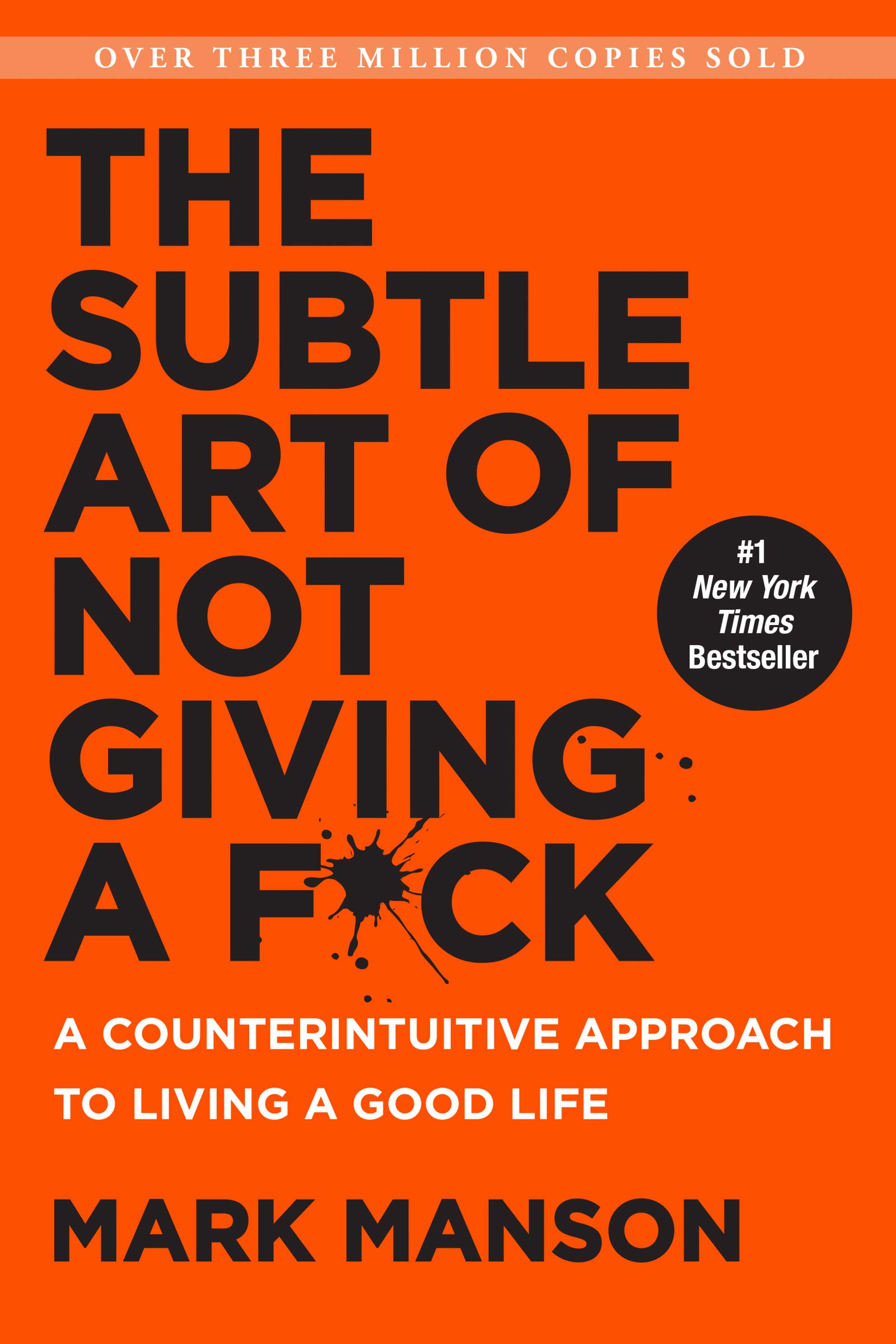
Book Review - The Subtle Art of Not Giving A F*ck


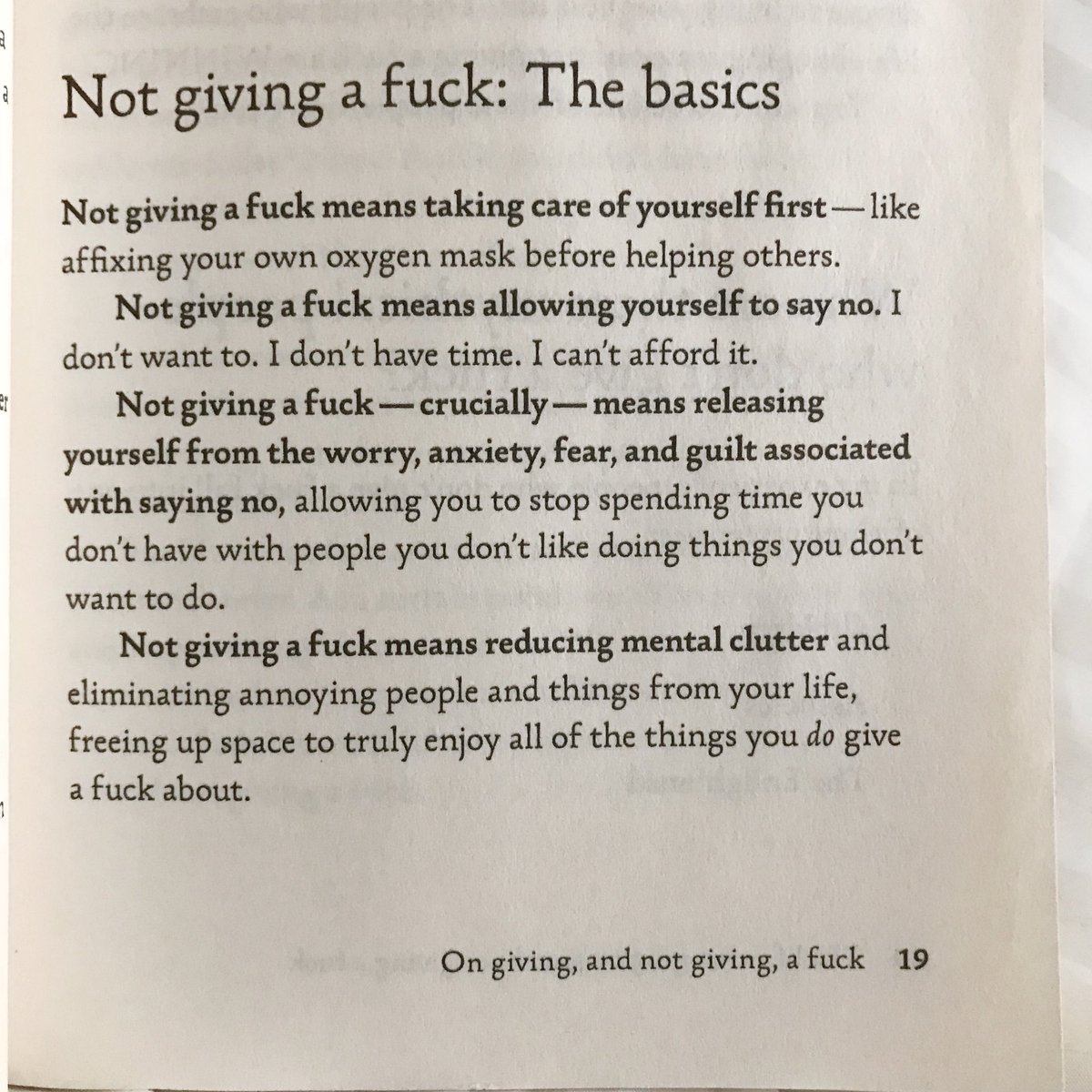
There are way too many "fuck"s in this book that I have learnt not to give a fuck about them.

Now that I have specifically mentioned it, doesn't it mean that I actually DO give a fuck about them?

I mean, if you don't really care about something, you won't point out that you don't care, do you? You just don't bother. Like how you won't say to your failing friend "everything is ok" if things were indeed going smoothly, and you don't have to tell yourself that you are beautiful unless you think that you are ugly.

These self-reassurances just worsen your insecurity, making you doubting yourself more.

This is the first lesson in the book "The Subtle Art of Not Giving a F*ck".

Image result for the subtle art of not giving a f

I really like the writing style of the author, which is much similar to mine (narcissist detected). He uses a lot of words and examples to illustrate a single viewpoint, giving you the idea from multiple perspectives. I think it makes you feel that you are actually listening to someone talking and sharing their personal experience, rather than reading a mundane textbook.

That's why when you are taking notes, you either highlight the entire chapter, or you leave everything blank: everything is the message to be conveyed, yet everything is just filler.

This is the first self-help book that I have read, and probably will be the last in near future. One thing I despise self-help materials is that many of them make it like a recipe.

"How to be happy in 11 steps:
1. Get enough sleep: xxxxxx, xxx, xxxxx.
2. Exercise: yyy, yy. yyyyyy.
3. Meet friends: zzzzz, zzzzzz, zz.
..."

As if happiness is a checklist that when you tick all the boxes your life magically sparks joy.

They also tell you things that you have already known, usually in a brainwashing way:
"You have to stop seeing the bad things about your partner, focus on the bright side!"

Ah silly me, why didn't I know this earlier. Thank you for saving my relationship!

While we all know what we SHOULD do, we may not be ABLE or WILLING to do them.

It's just a matter of time for us to realise how painful it is to snap out of it.

*

When we say we are not giving fucks, it doesn't mean that we are indifferent to everything around us and do whatever we want to. These people are called -- as the author puts it -- a psychopath.

He lists 3 points of how not giving fucks look like:
1. Be comfortable on not meeting the expectations of others
2. Give fucks to things that are actually important
3. Understand that you are responsible for what fucks to give in your life

It is impossible to not to give fucks on anything: our life is full of problems and suffering; we just have to find those that we enjoy giving fucks to.

Related image

There are many points presented in the book (some of which I am not even sure whether they are related to the topic of the book) but I particularly like this one:

While we always think that a person who feels he is better than everyone else is a narcissist, the opposite is true too.

Self-victimisation is a form of entitlement.

Have you ever been afraid of being a laughing stock when you have gotten a bad haircut, or somehow felt there is something wrong with yourself because other bus passengers are not keen to take the empty seats beside you, or thought that people suddenly behave differently because of you?

In reality? People hardly care.

When we are terrified of what others think about us, it actually means that WE are terrified of all the shitty things we think about ourselves being reflected back at us.

The typical narcissist thinks that he deserves special treatment because he is better than everyone.

As most of us know that we are not in the top 1-percentile, we decide to play the other card instead:
"Because I suck and the rest of you are awesome, I deserve special treatment."

If you have learned the normal distribution, you should have known that most of us are pretty mediocre; neither are we awesome nor we really suck.

Knowing that you are not special, that others have the same problems as yours, is the first way of solving your problems. You should always define yourself as an ordinary person -- father, student, friend -- rather than some genius or superstar. The knowledge and acceptance of your own mundane existence will free you to accomplish what you truly wish to accomplish, without judgment or lofty expectations.

And eventually, it frees yourself from giving unnecessary fucks.

Sunday, 24 March 2019

随笔 - 看戏好不爽


那天友人看到我的Insta Story后,问我在看哪部连续剧。我把剧名发了给他后,他问我:

“你从这戏里学到了什么?”

*

我被吓了一跳:当你和别人介绍影视作品/书刊时,通常得到的回应是“好看吗?”、“这是在讲什么的?”、“谁主演/撰写?”;像“这东西有什么值得我们学习”的问题超现实到仿佛只会在文学课上出现。

我觉得看戏和交朋友一样,过了一个年纪,你就开始不怎么在乎看得“开不开心”这件事了。

啊不对,那个词不是“开心”。

是“爽”。

周末和朋友把酒狂欢,爽;下班回来约一群brother打机,爽。

爽过之后呢?你发现自己的人生仍然是那个样:朝九晚五、每天对着那些Excel file和奥客、回家依然要为家事烦恼;即便年末会多出一些小钱让你有资本再多爽一点,你总觉得还是欠缺了什么。

那个“什么”是人生的意义。

不会说抗拒看Avengers之类的blockbuster,毕竟看的时候还是很爽的。可是当你走出电影院,请问问自己,除了绚丽的电脑特效、飞来飞去的超能力者、和围殴大魔王的片段(moral of the story 人多欺人少带来胜利(否),团结就是力量(是)),你到底还带走了什么。

不要跟我讲你学到了“正义必胜”、“坚持不懈就会有成果”之类的价值观ha,胃里的盐酸会涌出来。

让你爽过之后还是没有解决问题、不会给你的人生带来改变、不会让你成长一些的娱乐和消遣,其实和冰毒有什么分别。

现在本人无论看戏或是阅读,都会尝试整理思绪,想想作者到底要籍这些创作表达什么样的想法,再看这些带出来的values和自己的观念有无冲突以及能被采纳的地方;我觉得看一部作品如果不去品味制作人想要带出的含义,是很对不起那些为这作品注入生命的团队的(前提是你要分辨出这作品到底有没有被注入生命啦)。

就好似你的另一半和你在一起却没有想要了解你,和你一起成长,而只是想到自己开不开心爽不爽那样。这对一个人来说是多大的侮辱。

“哇大佬,看场戏罢了借,要不要搞到这么stress哦!”

当然我们不是说你现在看什么做什么都要得到人生启迪,增长智慧这样;这份工作还是交给释迦牟尼吧。

我们生命里有很多种朋友:喝酒的朋友、讲心事的朋友、健身的朋友、探讨人生的朋友……如果现在你身边的人都要和你讨论“人生有什么意义”“我到底是谁”,你的脑应该很快就会烧掉了。

所以适当的时候你还是得吸一吸这些“精神上的冰毒”,暂时麻醉自己脱离一下现实。但充完电后还请继续思考现在做的事、刚刚看的书、接下来要讲的话到底会带来什么改变,有什么意义。

就好像那部连续剧每集开始时都会说的那句话一样:

Let's think.


Sunday, 10 March 2019

【书评 - 厌世讲堂】


第一次写书评我好紧张。

(虽然讲是书评,不过其实有点像summary,再加一点自己的看法,大概就和谷阿莫“二次创作”的概念一样。2278字。)

*

要给大家介绍一本叫《厌世讲堂》的书,我觉得这应该算是中国古文版的《The Subtle Art of Not Giving a Fuck》;作者以文言文(其实都是庄子的文章)讨论佛系的哲学。

我觉得大家如果读过很多文言文的话很多时候都会搞混中国历史里那几位伟大的老人家——庄子到底是哪位?

庄子就是那个教人怎样杀牛(庖丁解牛)、还有梦见自己变成蝴蝶(庄周梦蝶)的人;不过他最有名的故事,应该就是和老基友讲废话,讨论“你不是鱼怎么知道鱼开不开心”的那段。

和《庄子》一样,这是一本很深的书;哲学是一种很极端的东西,要么“夫子所言甚是”,要么“我听你放狗屁”,所以这里我只讲我看得懂和比较buy的内容。

Related image

*

厌世这码事,主要原因就是“不得已”。人到了一定的年纪,难免会有很多负能量:为什么事情都不如我所愿、怎么这个社会这么messed up、我每天受那么多气到底是为了什么、我为什么不能有说走就走的旅行……

人类文明之所以能走到这个境界,都是因为我们是一个非常井然有序的群居社会。每个人都必须扮演好自己的角色,才能维持世界稳定的运转:首相要治理好国家、医生要让病人药到病除、农夫要确保粮食供应充足。

如果今天首相让国家兵荒马乱,那么他就是个“废物”,五年后得把他拉下来;如果医生医死了人,他也会是个“废物”,一定要请辞谢罪。大家都要做好各自的角色,才不会被世界遗弃;毕竟在一个群居社会里,被遗弃是一件必死无疑的事:你无法获得食物、生存的空间、交配的对象,你的基因是没办法延续下去的。

然后有一天农夫在拔草的时候,就开始怀疑人生:我到底在干什么?我为什么每天都要蹲在这里拔草——我可以做别的事吗?我可以捕鱼、缝衣服、拍电影吗?如果一个农夫不拔草,这个农夫是不是很没用?其他人会怎么看我?

作者引用了庄子的一段话:
“大家都知道‘有用’的东西很好,却不知道‘没用’的东西才能保存自己的价值”。

没有人天生就注定要当农夫的。当你不按世俗的观点而活,不因为别人要你做农夫你就做农夫,而选择去做想做的事时,你才算得上不在扮演别人想看到的角色,而是做真正的自己,为自己而活。

画像に含まれている可能性があるもの:1人、スマイル、テキスト

*

在做自己之前,我们必须要先知道:“自己”是谁。

当别人问你“你是谁”时,你会想到你有一个名字、你是谁的孩子、你的职业、你经历过的事情……可是这些都能定义“你”吗?

如果这些能够定义自己,农夫就不用这么痛苦了——你要为自己而活、你要做自己嘛,你不是农夫吗?那做农夫就是做自己咯?

作者引用了很多很深的话来解释其实没有“自己”这个东西,不过不重要。你只要知道的是:
真正的“自己”没办法“做”——它是自然出现的。

《庄子》说:当我们做的事情不是在扮演什么角色、不是基于什么原因、不是因为要顾及后果时,我们的思想行为才是最纯粹自然的;我们就是做了这件事、说了这句话,像呼吸一样自然。

“当一个人不需要再通过做自己来证明自己时,也许他才是真正在做自己。”

*

每次在讲做自己的时候,大家总会想到“自由”这件事。

有句话说:“真正的自由不是想做什么就能做什么,而是不想做什么就能不做什么。”

作者有特意讨论这点。第一个提到的“自由”,其实是“欲望”; 第二个自由——不受束缚的自由——才是真正的自由。我们总是在意“我”到底喜欢讨厌什么、想要不想要什么。当你把“欲望”和“自由”连在一起的时候,基本上就永不超生了——你永远会变成金钱、名利的奴隶,只要满足不了就痛苦不堪。

“真正的自由是让一切都自由,也就是让所有事物都有喜欢你、讨厌你、赞同你、反对你、靠近你、离开你的自由;当一切事物都能如其所是的时候,我们自然也可以如己所是。”

Image result for 厌世讲堂

*

等一下,你一开始不是说这是讲“佛系”的书的吗?为什么变成厌世,然后又做自己了?

作者在序言中就提到,厌世只是让我们摸索自己的开端,就像那个农夫一样:
“一个人之所以会厌世,是因为没办法将人生改变成自己期待的样子;等到一个人完全失去期待,他就会变佛系了。”

这和上面做真正的“自己”是相呼应的:当你做到不再强求、不再瞻前顾后,一切随缘,既是达到佛系的境界。

在这里要注明一下这里的“佛系”,和我们平时在meme里看到的“佛系”是不同的。
Meme佛系:“不去运动、不要节食,缘分到了自然就会瘦下来。”
厌世佛系:“想运动就运、想吃什么就吃,最后是肥是瘦都不关我事。”

Meme里的佛系最终的目的还是要瘦下来,还是带着一种即便什么都不做依然能达成目标的期待(难听一点就是侥幸的心理);真正的佛系是什么都不管,一切follow the flow,事情怎样发展就怎样发展。

我很喜欢作者这个比喻:很多事情就像是生孩子一样——虽然浪费很多力气在分娩过程上,可是我们还是不能确定会生出什么样的孩子,因为孩子有自己的生命,是我们无法掌握的;我们唯一能做的是敞开自身,让自己成为一个通道,邀请他来到世上。

这个就是庄子主张的道家学说:无为。

Related image

*

我觉得在现实里实践这个是很难的。从我们出生到死我们总被灌输各种价值和框架:“大人的事别理这么多,小孩的工作就是把书念好”、“女生还是要有些矜持,不然男人不会珍惜你的”、“只要你现在肯努力,以后就会轻松了”。

如今庄子突然和你说你其实可以不要理这些世俗,不要在意别人的眼光,you can be anything you want,硬生生把这些你一直赖以为生、当作人生目标的观念夺走,你会先不知所措,然后再清醒过来刮庄子两巴:“Be anything I want?大佬我要找吃的啊,不然你要我饿死老婆瘟臭屋啊?”

所以我们一直都在扮演社会给予的角色,期望自己最后会被赋予被promised的收获,虽然我们往往发现这些期许只是一堆干话,再次陷入“我一生到底在干嘛”的漩涡中。

我想,除非你是单细胞生物,不然“做自己”,还真的是挺难的呢。

Thursday, 7 March 2019

随笔 - 贪小便宜


那天友人适逢NTU Open House来探望我(讲到我好像坐牢还是住疗养院这样)时,向我展示他从礼品摊位拿的布袋:
“你看这个材质很好,而且有很多口袋。”他建议我也去领一个。

“啊……可惜我已经过了拿goodies bag的年纪了。”我用一种“年轻真好”的口吻说。

NTU这样的名校得到赞助是一件相较容易的事,因此学校就很常派发这些goodies bag,让游手好闲的大学生排个半小时去拿。

领了两三年后,开始发现袋子里头即便有很多实用的东西,没用的东西其实更多:小学生才吃的零食、眼镜店固本、减压橡皮球……还有每年必有的新生水NewWater

Seriously NTU NewWater?!

然后过年大扫除的时候就看着这些食之无味弃之可惜的东西,不知道该如何处置,毕竟活生生把还完好的东西扔掉是会遭天遣的。

“所以到后来我干脆不拿了,就把这些罪恶给别人承担——我是说把东西留给更需要的人。

“况且我觉得与其把时间耗在这些贪小便宜的东西上,倒不如去做其它更有意义的事。”

以前载着外公到乡下探望亲戚时,他总会抱怨干嘛走highway,因为过路费不便宜:
“走旧路好呀,又快又不会塞车。”

快你妹。两个时速相差一倍,旧路又窄又弯还有红绿灯,而且highway也不是整段都在塞。

但这就是穷人的悲歌呀:因为没钱,所以只好浪费更宝贵的时间和力气去省那一点,然后失去了可以提升自己来过更好生活的机会。

再无限循环。

你想下:为了省钱趁Starbucks Buy-1-Free-1的时候花了半小时排队,虽然确实节省了三四块钱,但换算过来也不过是一个小时七八块。天哪,这比在学校图书馆做part time的薪水还低呀,你确定你真的有赚吗?

(“酱如果我的时薪比省到的钱少的话我就应该去排队咯?”。亲,如果你工作一个小时都赚不了七块,就应该认真想想为什么自己还要喝Starbucks。)

“话不是酱讲的,”友人不同意。“我不是二十四小时都在打工赚钱的吗。”

“可是如果你用这些时间做其它productive的事,那个经济效益不是会比这些钱多?”

“要是那段时间是应该工作的我认同啦,可是如果没事做的话我觉得捡到便宜我会很开心的窝。”

“好啦你开心就好。”我投降,毕竟本人也曾经为了吃免费pizza在寒风中排了两个小时的队,最后吃到的时候还也是很开心的。

你看本人嘴巴虽然这么讲,身体还是很诚实的。撇开贪婪是人类的本性不说,我觉得穷困过的人(是我)就算富有了(不是我)骨子里难免还是摆脱不了“将钱看得太重”这个劣根性。

看到便宜的第一反应就是要抢,知道能省钱的方法就会想去做,最后往往反而因小失大。

周末去lab时为了省几毛钱巴士费,顶着太阳走了十多分钟,搞得到学校时又热又累、在超市看到大盒装的商品附送汤匙就会忍不住买,也不管自己需不需要用不用得完、因为多付一块钱珍奶就能加大很划算,结果喝到涨味道又被冰块稀释变淡。

到了这个年纪,我认为钱虽然很重要,可是更重要的应该是要了解自己真正需要的是什么。

这个时候你就会发现:钱,不过是一个让你得到——或者得不到——那些东西的工具而已。